Future Fauna

Jakob Skote
Co-founder of Meadow
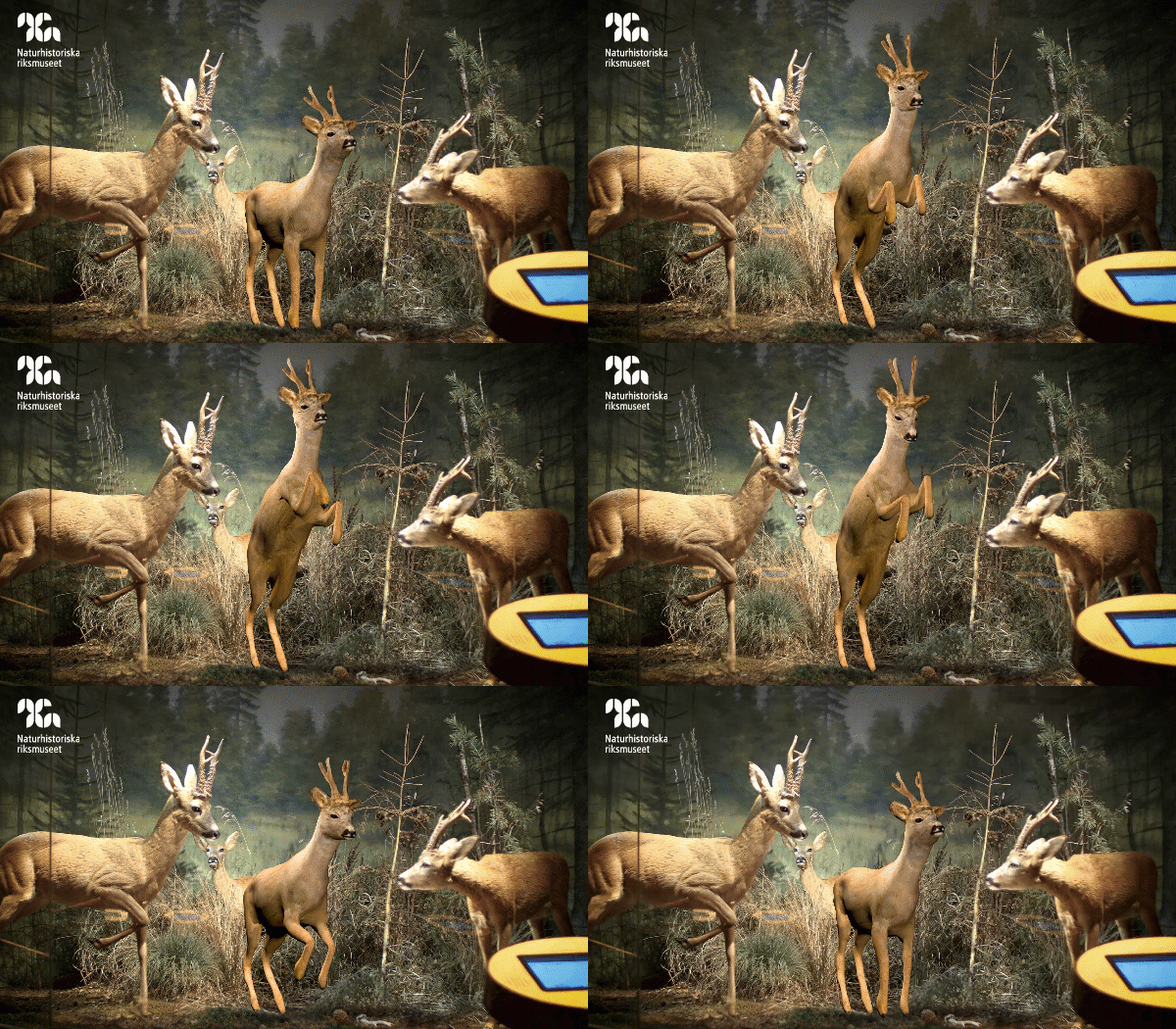
One of the first interactive AR exhibitions in Sweden. At the Swedish Museum of Natural History, augmented reality brought taxidermy specimens to life with 3D-scanned animals stepping out of their display cases to roam the museum.
Future Fauna was an interactive installation in augmented reality at the Swedish Museum of Natural History in Stockholm. Visitors interacted with taxidermy specimens in the showcases and saw the long-since-deceased animals return to life.
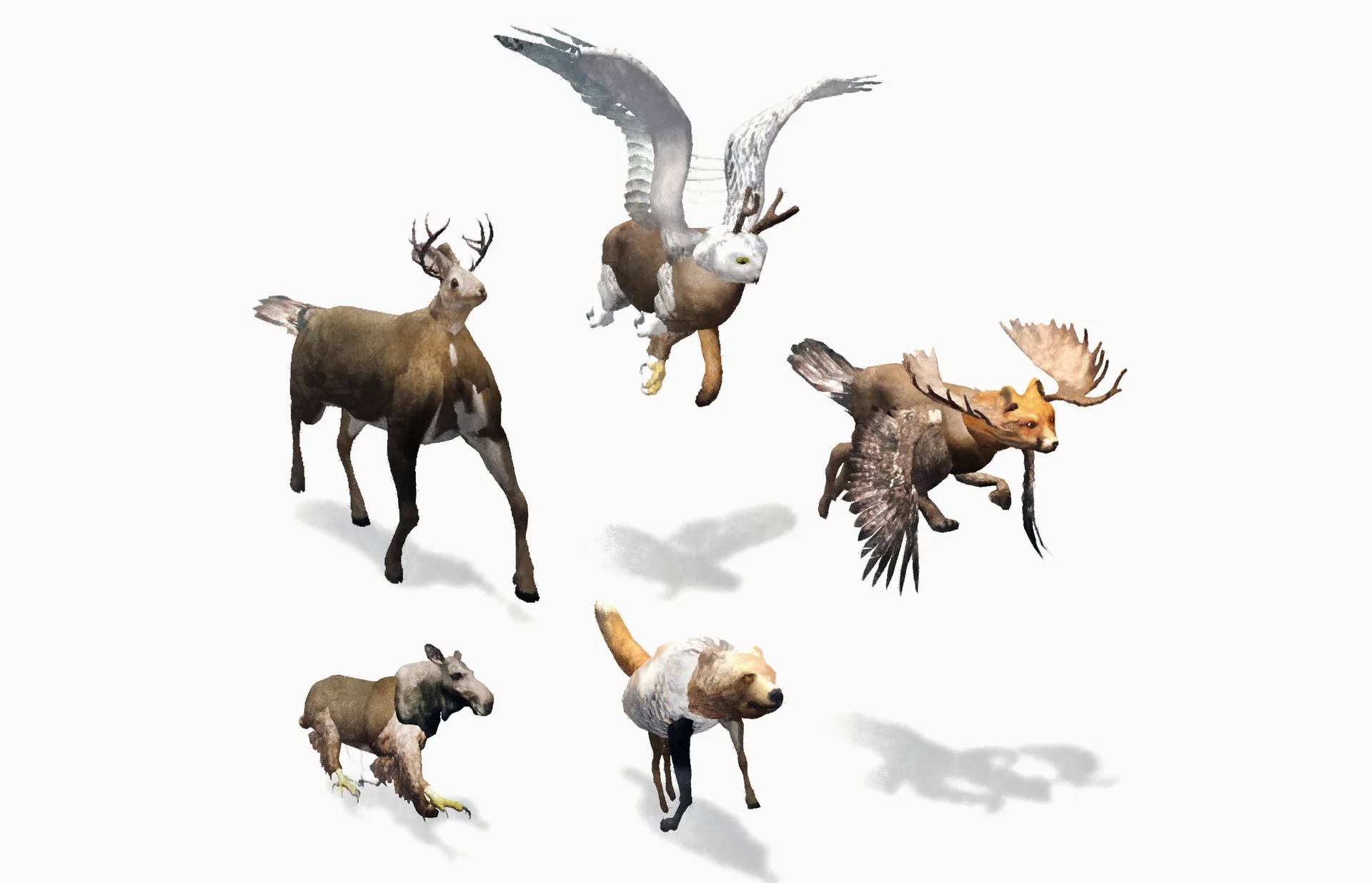
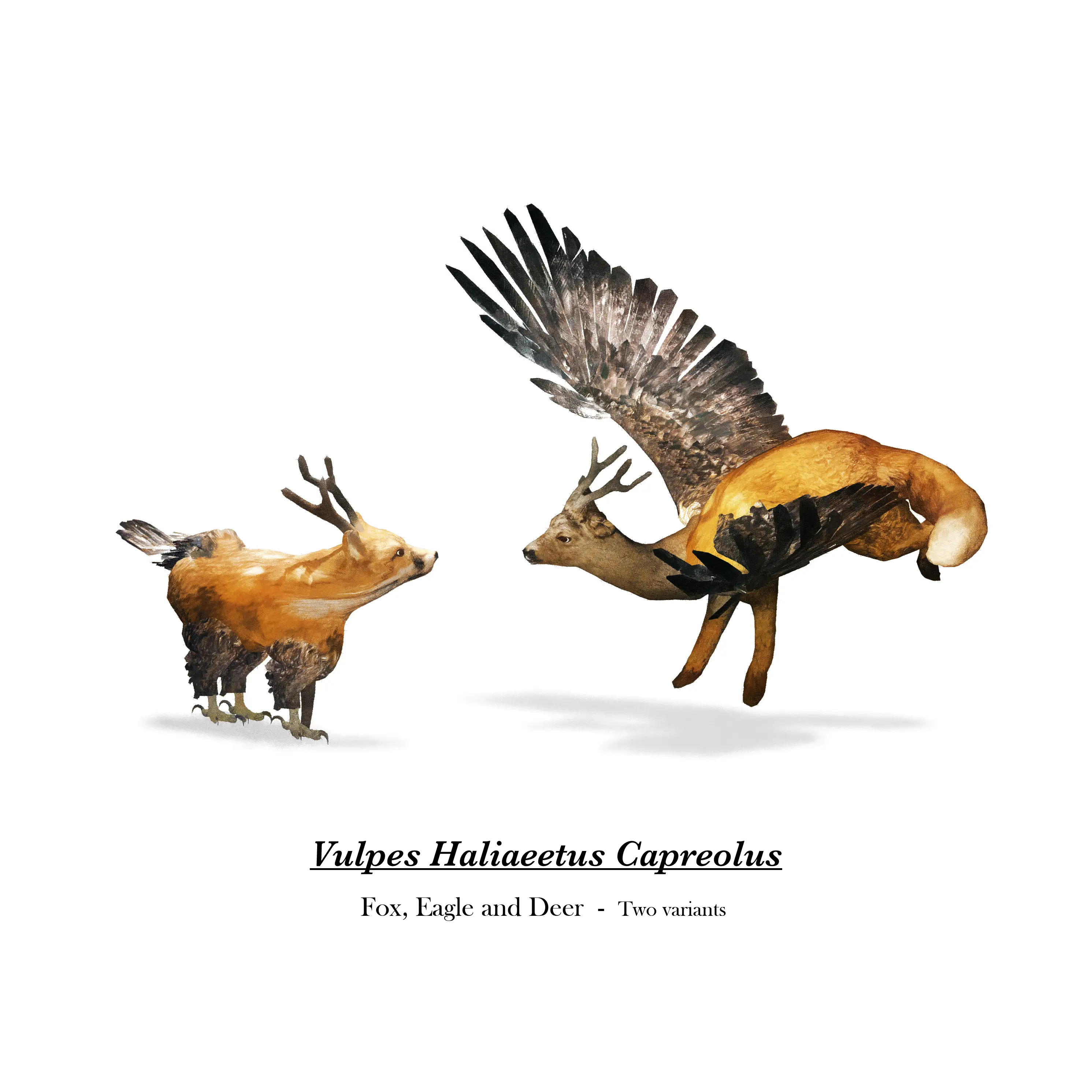
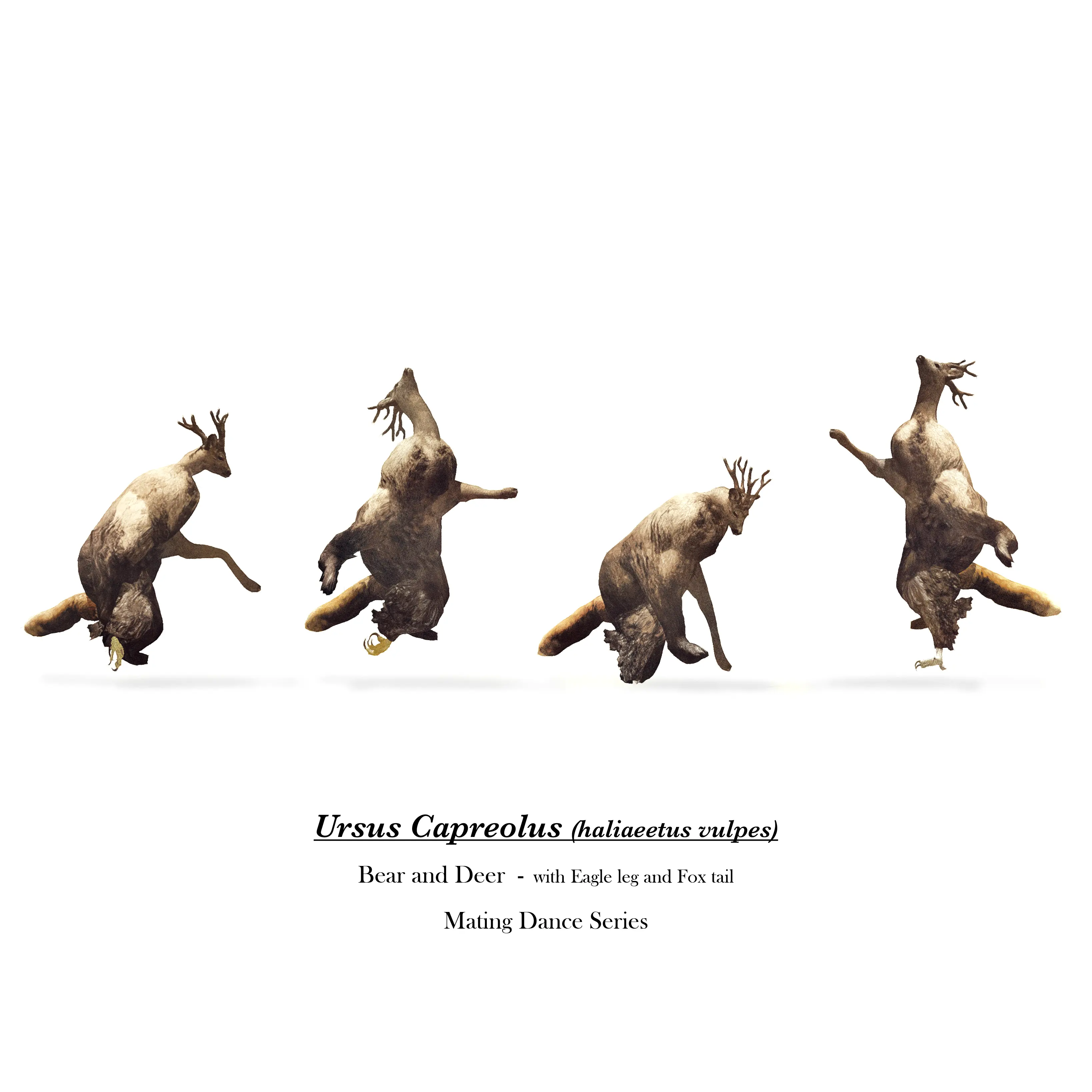
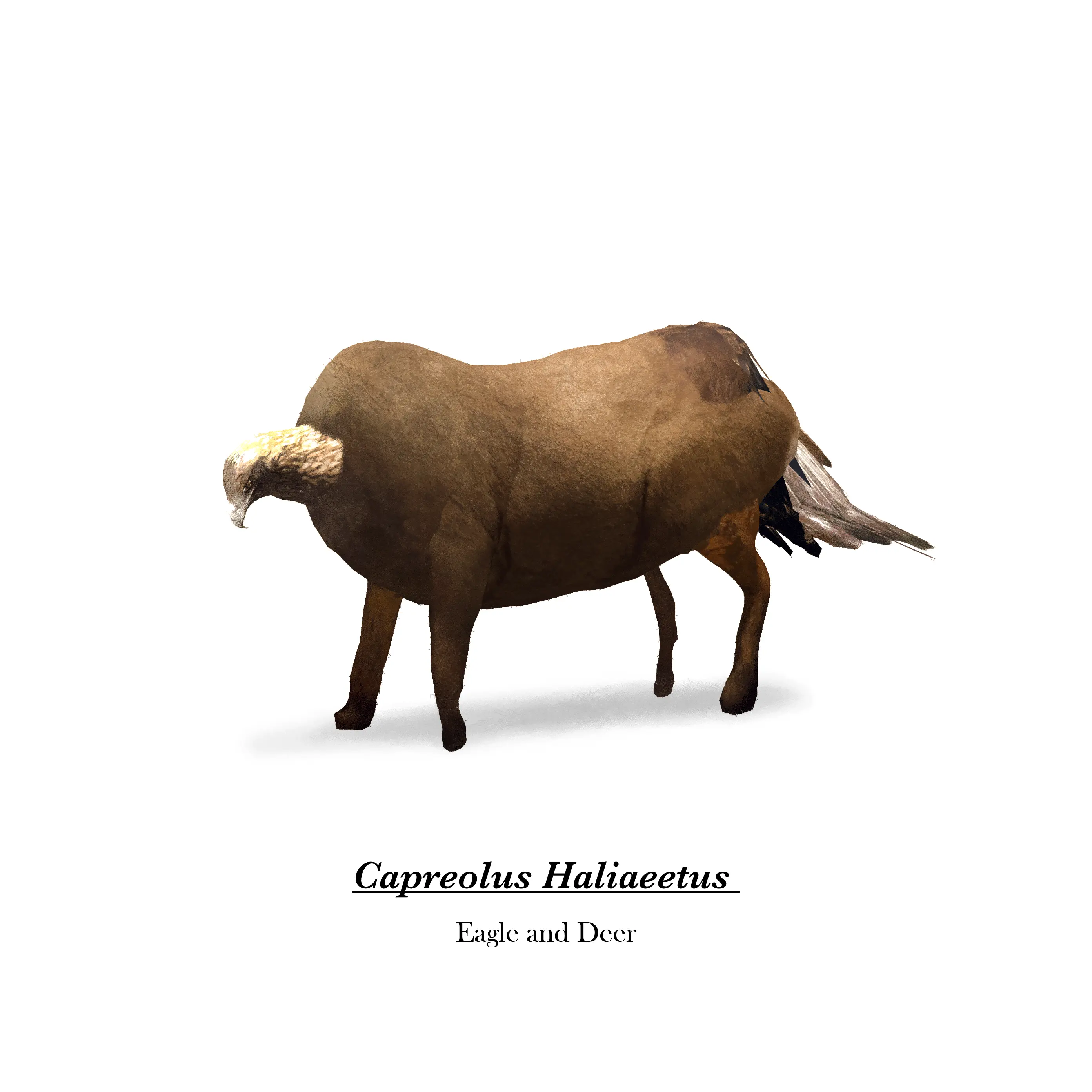
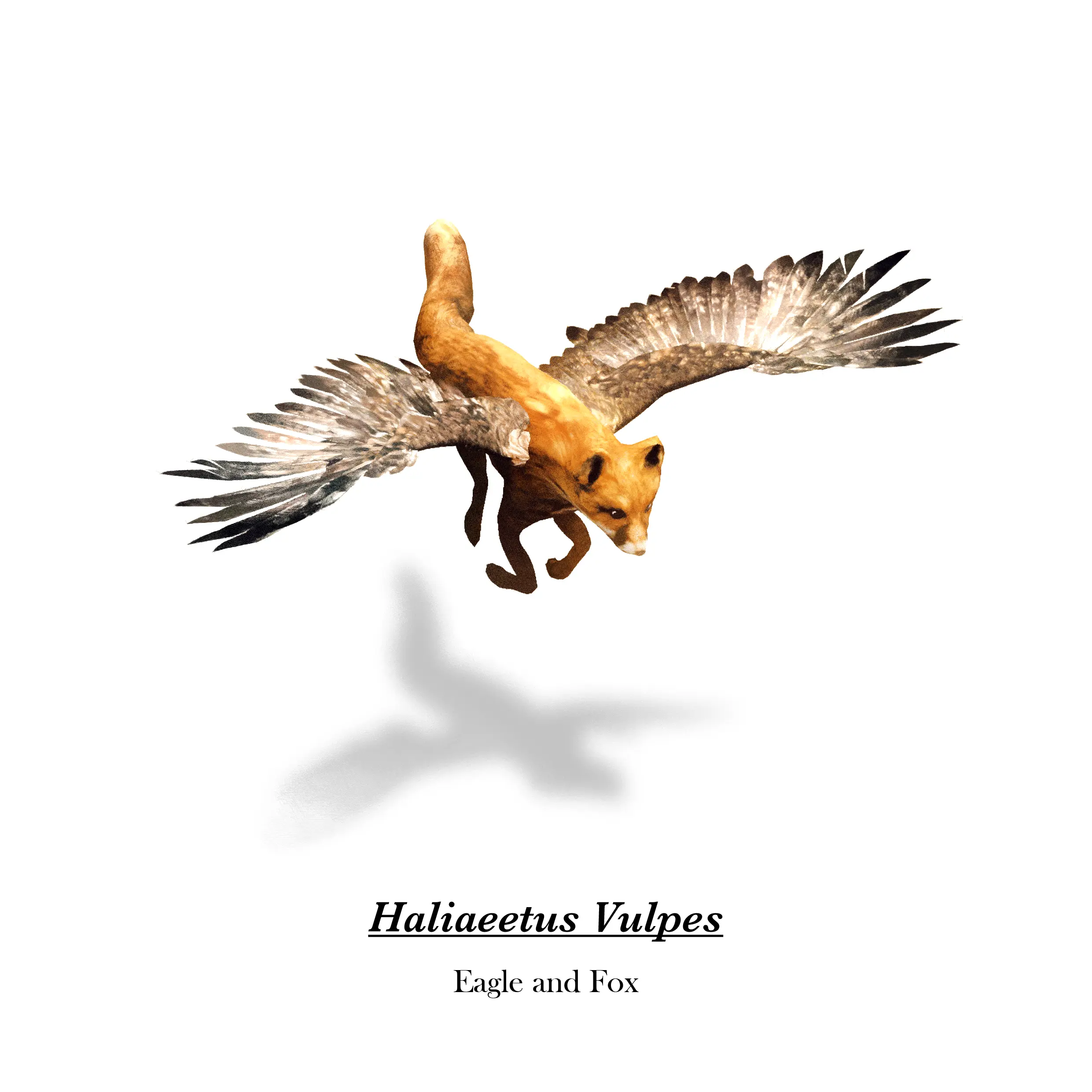
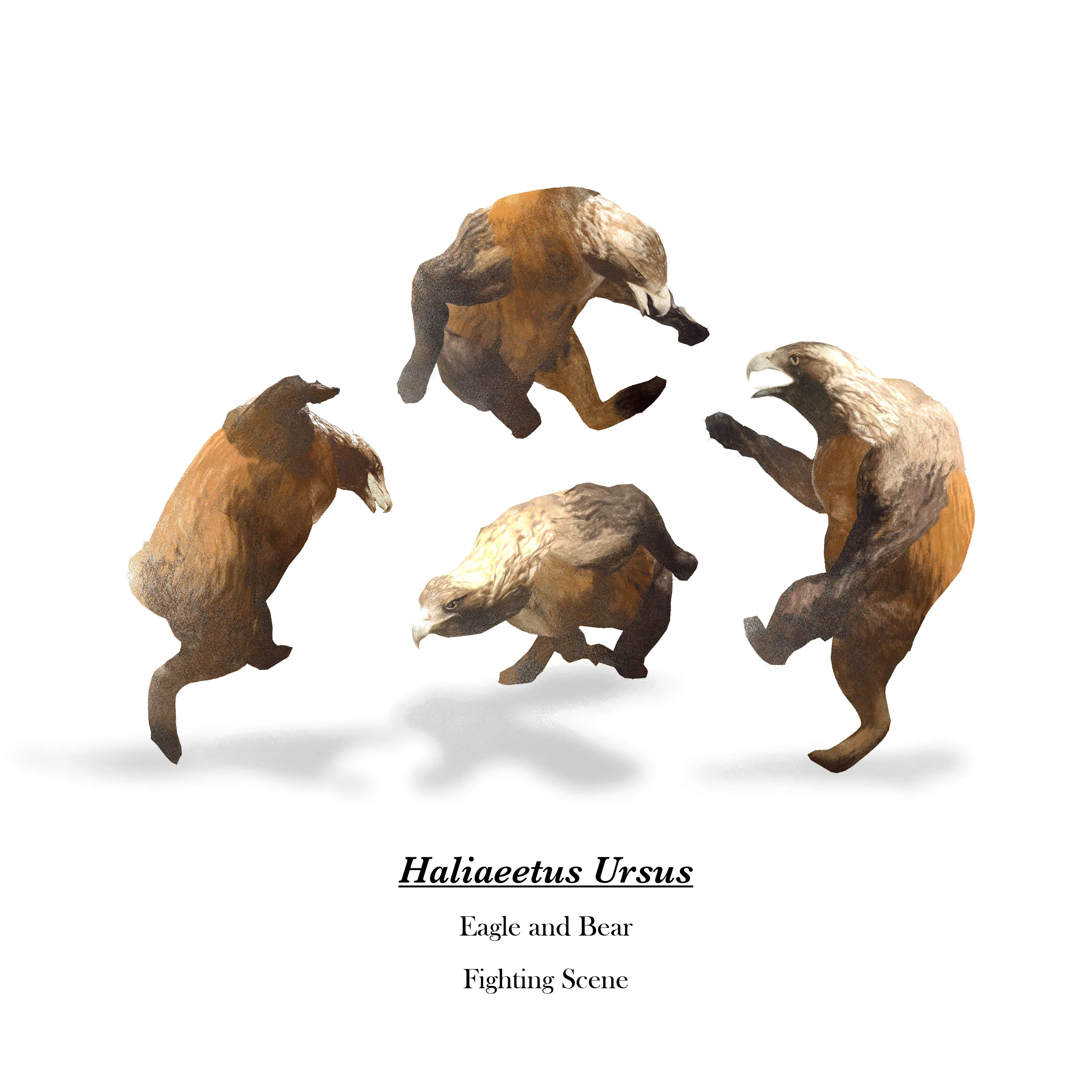
The visitors could play with, feed and breed the animals. The virtual beings were decoupled from the laws of biology and could interbreed across species. Strange beings populated the exhibition rooms: owls with antlers, foxes with eagle wings, wolves with moose bodies.
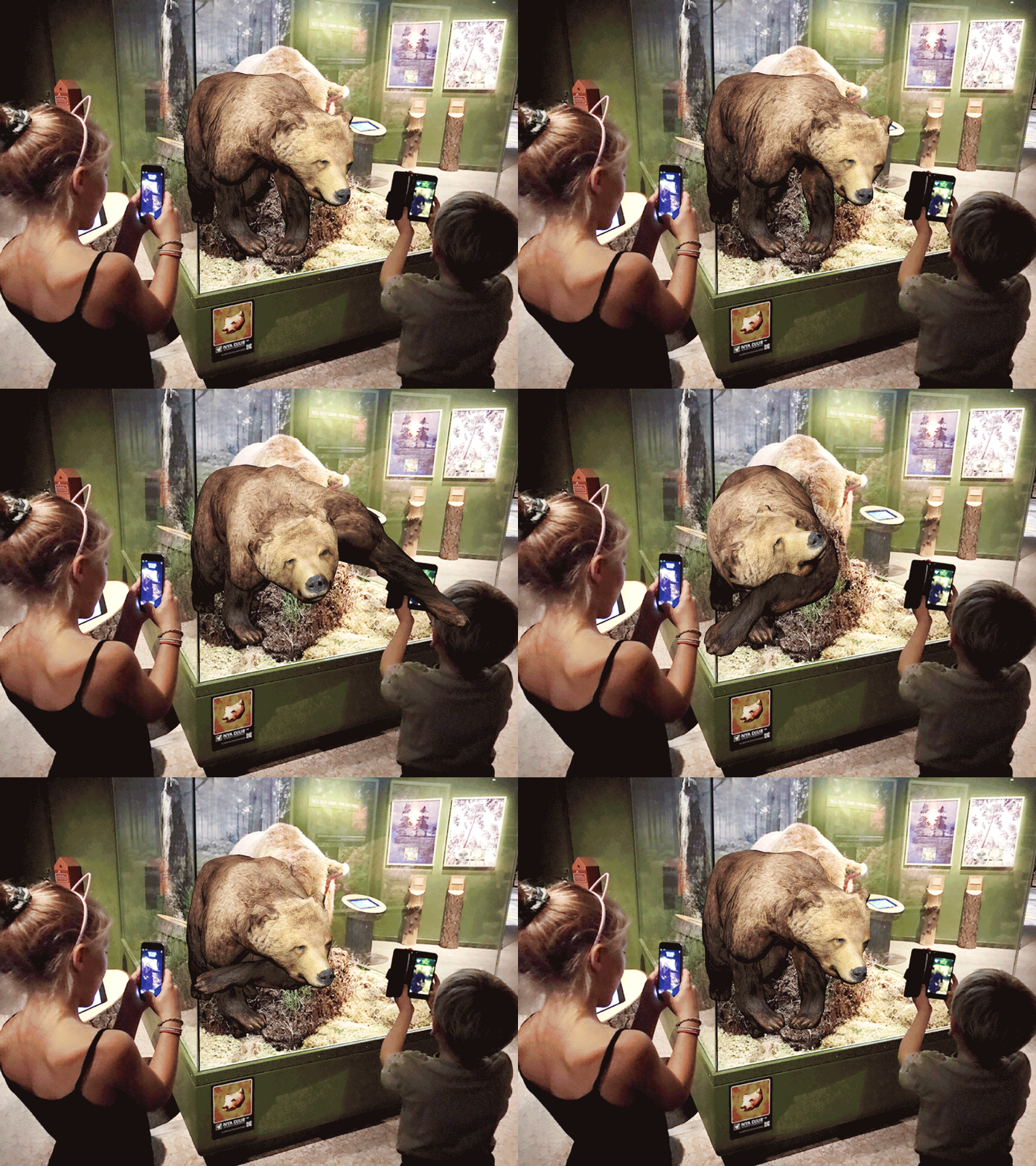
The project enhanced the traditional museum diorama with augmented reality, and pioneered the possibilities of using novel visualisation technology in a museum context. The static displays of taxidermy became interactive, and the visitors could play with and feed the animals.
What happens when the visitors can interact with otherwise "dead" installations? AR opens up for a deeper engagement with the exhibitions, and a deeper understanding of the objects on display.
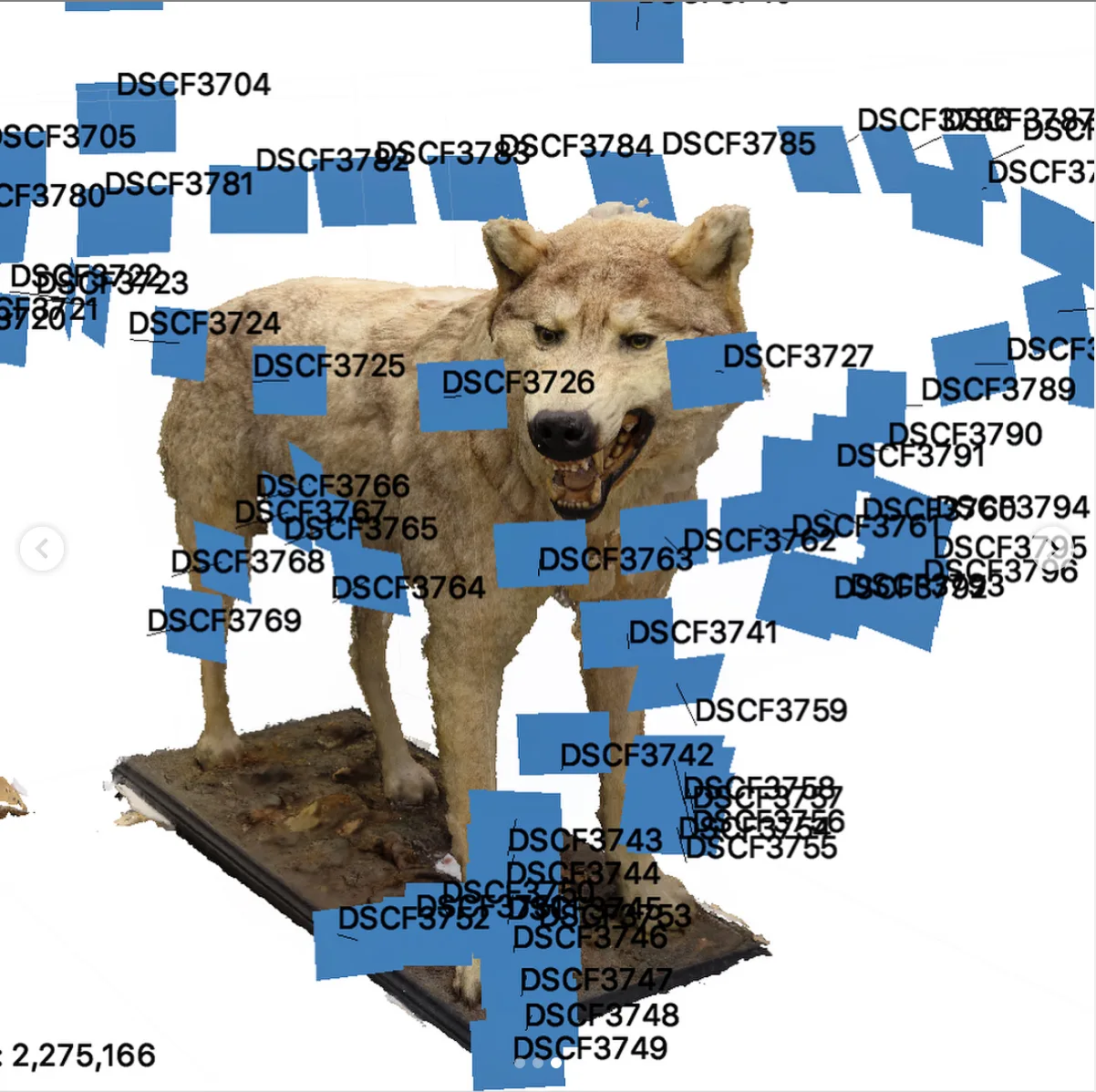
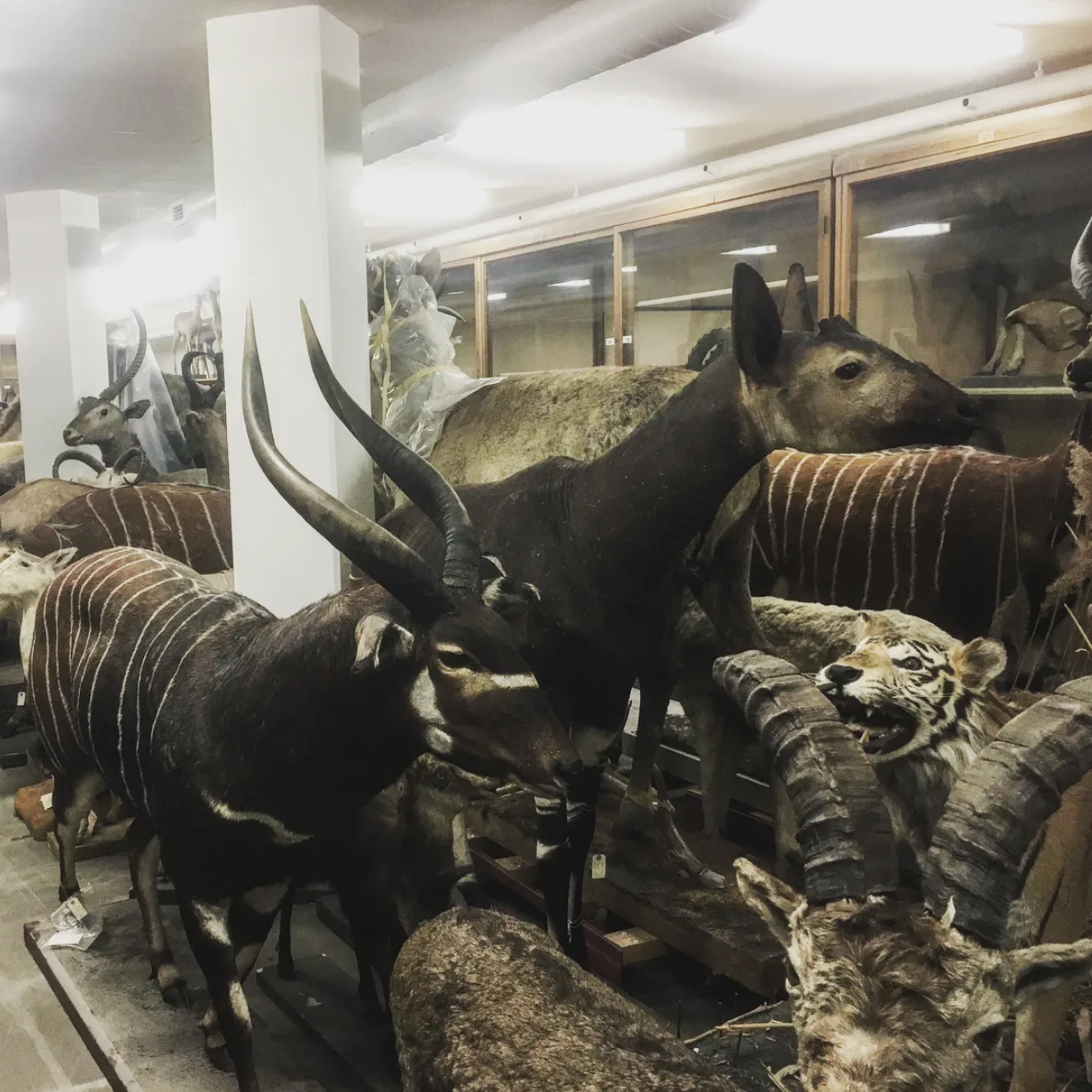
The 3D models were created by scanning specimens in the archive of the museum. The basement is filled with taxidermy animals, a large dusty archive of life. Beautiful African antelopes and towering bears, as well as ragged old cats and a reindeer broken in half. Nothing is thrown away in case it contains valuable genetic material, so that we in the future can recreate the beings we now make extinct.
The mixed animals are made by a genetic algorithm that randomly selects the genes of the parents and creates a new being with the respective limbs. The users themselves choose what animals to breed but cannot choose in what way they are combined.
The animals follow a navigation mesh based on the museum's floor plan. This forces the animals to avoid the same obstacles as you and creates the illusion of a shared space. The NavMesh is re-instantiated at each individual animal showcase, which solves drifting and misalignment, creating a seamless experience. The exhibition has nine active showcases, and the virtual world is made up of nine different virtual spaces, each with its own origin aligned with the actual space.
The project has been used by schools visiting the museum to teach evolutionary processes. A fictionalised text version was featured in NORK magazine. User testing was conducted at the museum before release, especially with children since they are the museum's primary audience.
Future Fauna was made by Untold Garden in collaboration with interaction designer Sandra Dang and the Swedish Museum of Natural History. The project was funded by Kulturbryggan and Stockholms stad.
Originally developed on our Marble platform, a precursor to Meadow.
Tags
Stay Updated
Get more stories like this delivered to your inbox.